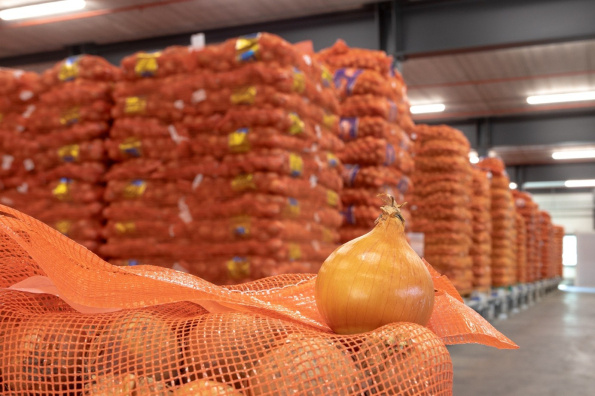
premiere: new mini-docu Building Trust - Quality Export
What always travels along with a Holland Onion?
An onion shipped from the Netherlands might end up, weeks later, at a market in Dakar, Abidjan, São Paulo, or somewhere else on the other side of the globe. Distances and destinations vary, and market requirements can differ too. Yet one thing must remain constant throughout the journey: confidence in what is inside that bag.
This is where the Dutch onion sector has built something exceptional. It is not just a single check, certificate, or organization that makes the Holland Onion reliable; rather, it is the combination of independent inspections, advanced automation, digital data, and agreements spanning the entire supply chain. The Netherlands does more than just export onions; it builds assurance into every shipment.
This is not a luxury. Dutch onions find their way to over 130 destinations, each with its own trade terms, documentation, and sometimes additional import requirements. A buyer thousands of kilometers away needs to be confident that the shipment arriving truly meets the specifications promised at the time of departure. For a product traveling such vast distances, quality thus becomes more than just a characteristic of the Dutch onion—it becomes a promise across borders.
Taking quality at face value?
Any exporter can claim their onions are of good quality. A processor can demonstrate the care put into grading and packaging. But for a buyer thousands of kilometers away, that ultimately isn't enough. Quality can be claimed; reliable quality requires independent verification. That is where the Dutch Quality Control Bureau (KCB) [https://www.kcb.nl/over] comes in.
The KCB assesses Dutch export onions against legally established European trade standards. This involves more than just a quick glance at a batch. Batch details and quantities are verified, export packages are selected at random from the shipment, and the onions are assessed for soundness and condition. Labeling must also meet the prescribed requirements.
Beneath the skin
An onion might look excellent on the outside yet tell a different story on the inside. That is why quality control doesn't stop at what is visible. During inspections, Dutch onions are also cut open to assess their internal condition and detect issues such as bacterial or fungal infections.
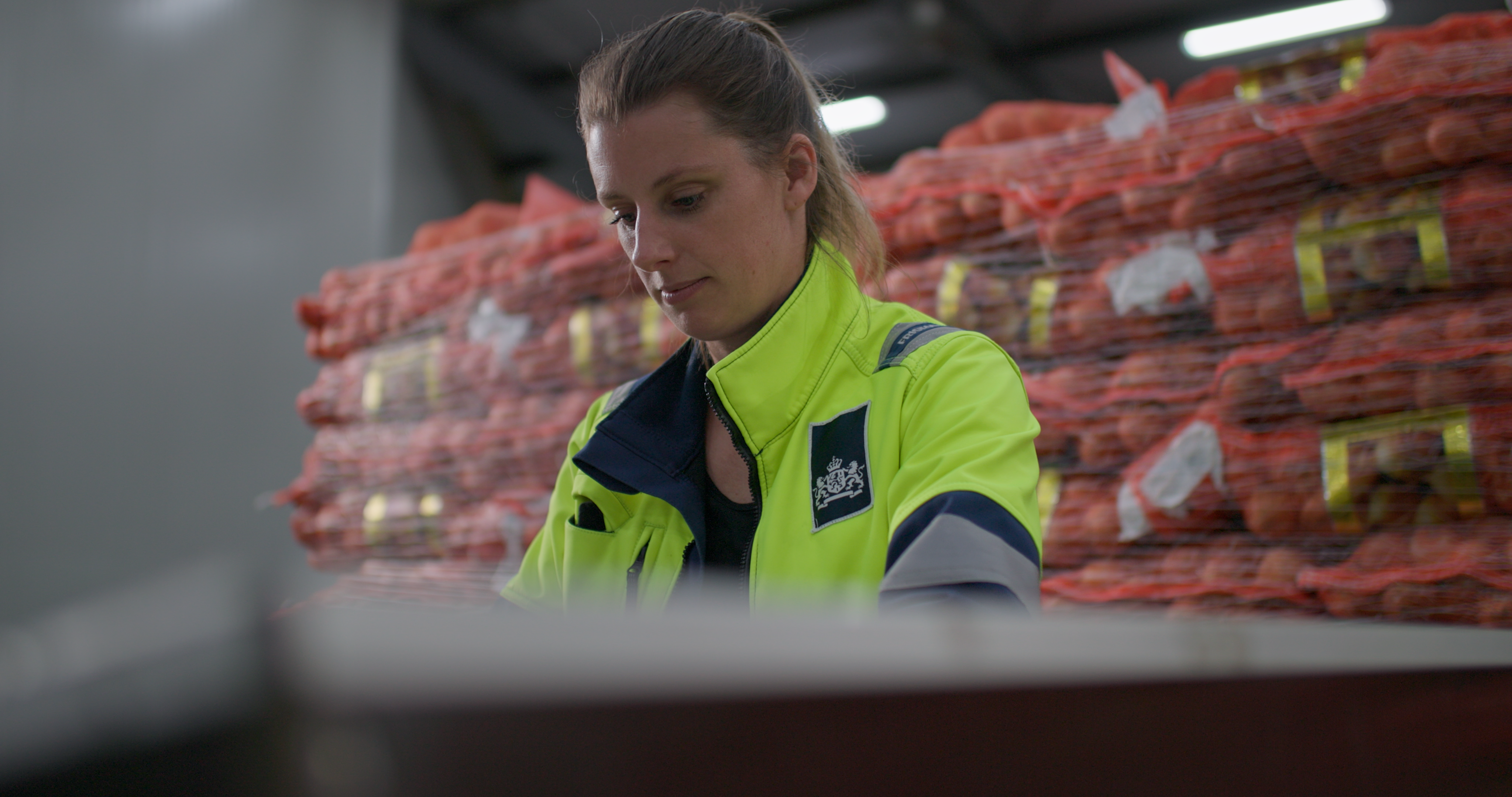
That matters for a product that may still have a long journey ahead. Requirements for intactness, firmness, and skin retention aren't just about delivering an attractive onion; they help ensure that Holland Onions can withstand the journey to over 130 destinations worldwide and arrive in good condition.
From inspection to trust in 60 seconds
What does this independent quality assurance look like in practice? In our new one-minute new mini-documentary Building Trust – Quality Export, you can see how a Holland Onion is inspected before it begins its journey across the globe.
▶ Watch Sustainable Layers: Building Trust – Quality Export here
Paperwork travels ahead
Anyone who still pictures exporting as stacks of forms, stamps, and paperwork traveling alongside a Holland Onion shipment is thinking of an earlier era. The inspection and certification of Dutch onion export shipments are now highly digitized. Through the national system e-CertNL [https://e-cert.nl/en/], inspections and certificates are requested digitally and linked to the relevant shipment. For exports outside the European Union, the specific requirements of the destination country are also taken into account.
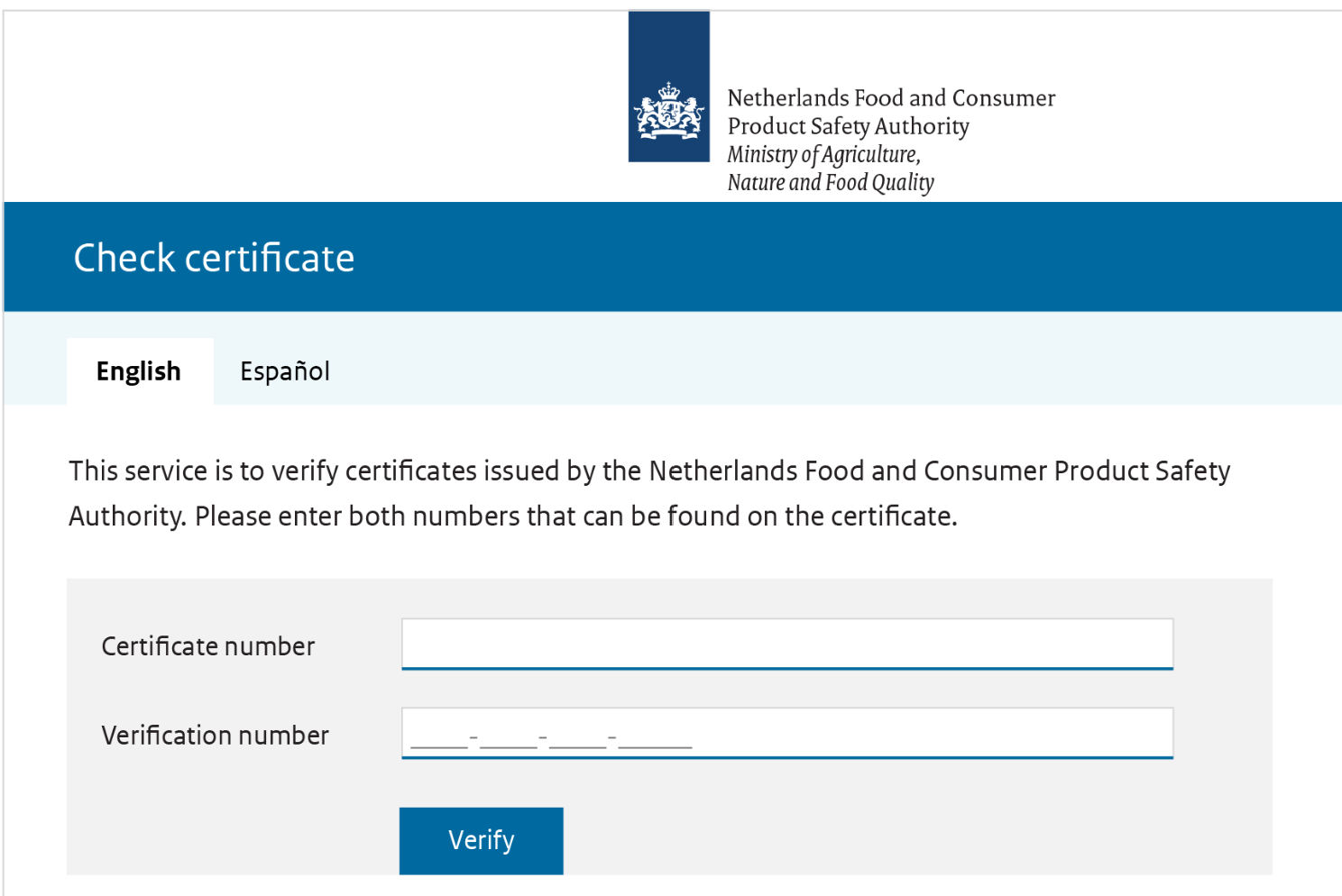
Phytosanitary certification is moving in the same direction. Through ePhyto, competent authorities in the destination country can receive data directly in digital format. For now, this is possible for only a limited number of destinations, and expansion to additional countries has been gradual. That is why we are working with all relevant stakeholders to bring more destinations into this digital exchange system.
Inspection where needed
KCB supervision is risk-based. Under the Internal Quality Control (RIK) regulations, certified exporters and processing companies take responsibility for their own internal quality assurance, while the KCB provides independent oversight.
The level of supervision is adjusted based on findings in practice. When warranted, the KCB can intensify inspections. That is the strength of an independent inspection system: quality is not merely assumed but is continuously verified.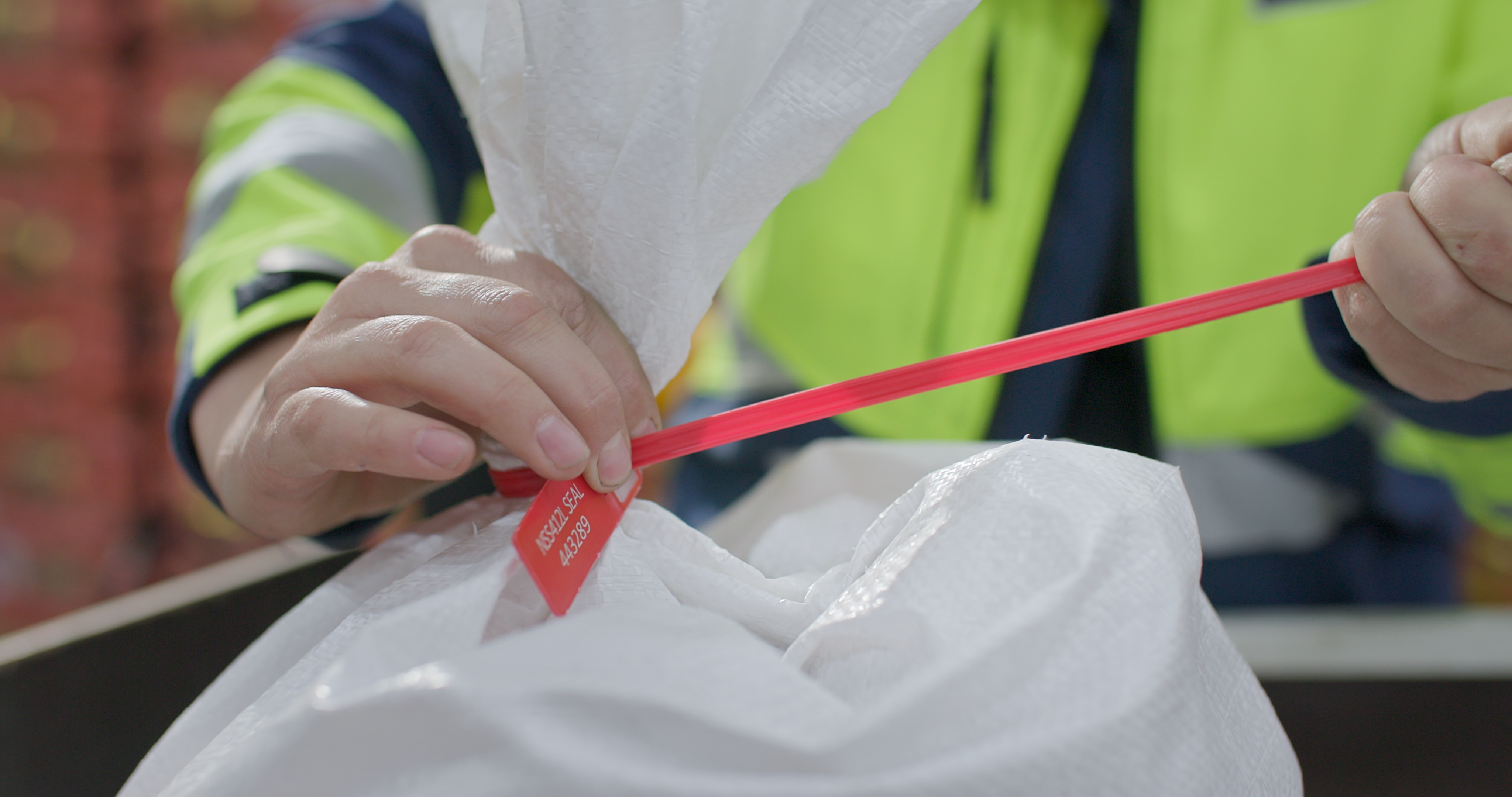
Some destinations also have additional production or export requirements. These are set out in agreements between the Netherlands and the importing country. Only companies that meet these conditions are permitted to export to such markets. On behalf of the NVWA, the KCB oversees these authorization schemes. This brings country-specific requirements into the same control system.
You can’t get to know 130 countries in a single season
Then there is something no system or certificate can fully capture: experience. For decades, the Netherlands has been a global leader in onion exports. Importers are familiar with the product, the exporters, the documentation, and the control system. At the same time, exporting to over 130 destinations has given the Dutch supply chain exceptional experience with diverse quality standards, phytosanitary regulations, and export procedures.
Knowledge that goes further
That knowledge also has to be passed on. That is why the specialized training module for professionals who assess and monitor onion quality—the P4 module—was recently updated and expanded. The new module places particular emphasis on phytosanitary regulations, food safety, and the context behind trade documentation. This keeps decades of practical experience in daily use while also passing it on to a new generation of professionals in the onion trade.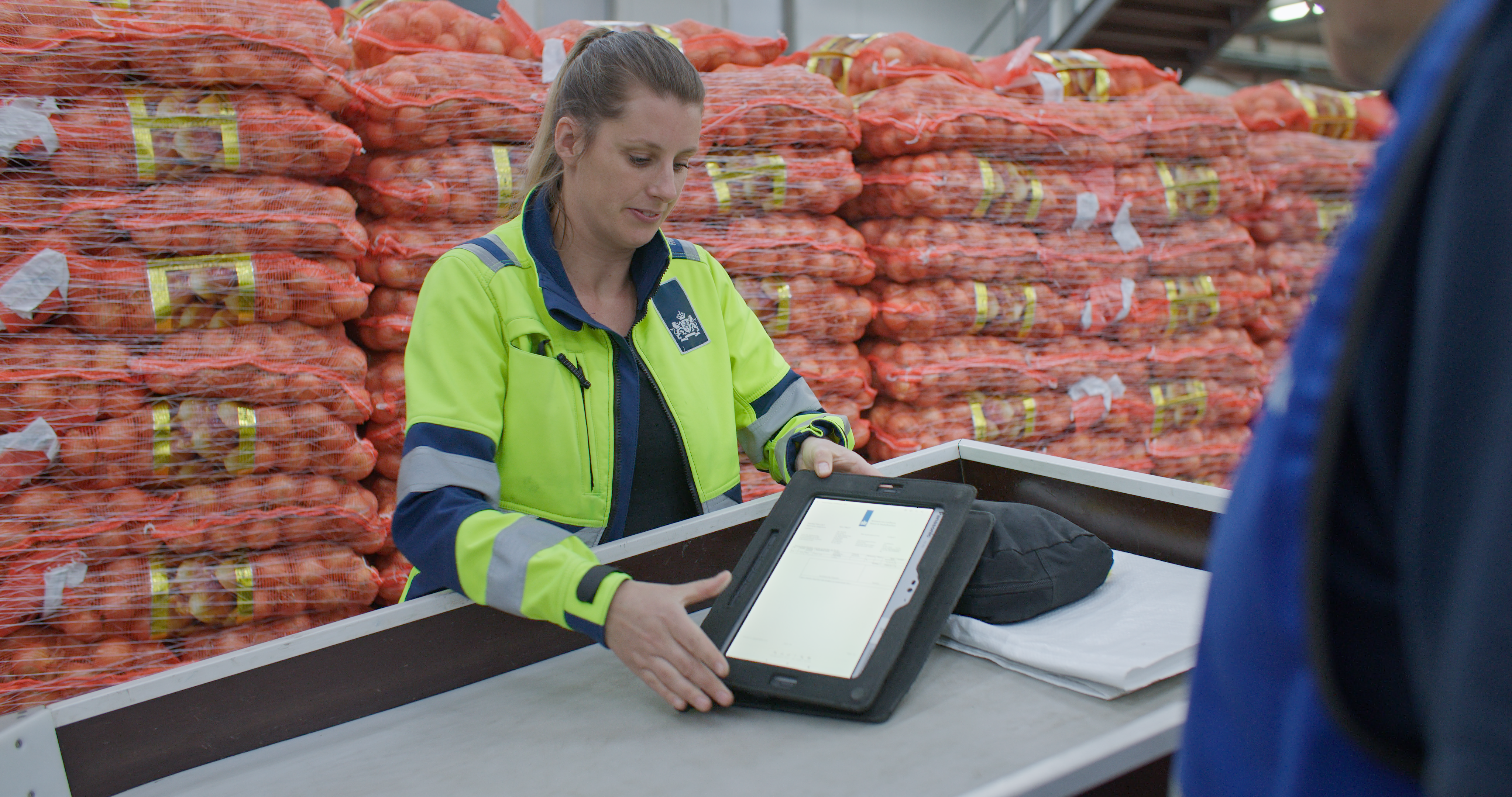
Trust never rests on a single link
And that may be where the real strength of the Dutch system lies. No single inspector can ensure quality on their own. What reaches the customer is the result of an entire supply chain working together. Extensive automation at sorting and packaging facilities, in-house quality assurance, independent inspections, digital certification, and sector-wide agreements all work in tandem. Growers, processors, and exporters collaborate to ensure uniformity and quality. That combination underpins the international reputation for reliability that the Dutch onion sector has built.
Certainty travels along
Seen that way, a bag of Holland Onions on the other side of the world represents more than the onions inside. The buyer receives more than just a product that has traveled thousands of kilometers; they also receive the assurance of a system designed to verify—before shipment—exactly what is being sent and whether it meets the required standards.
And perhaps that is why the question posed in the title is so easy to answer.
What always travels with a Holland Onion? Trust. Trust that grows stronger with every shipment.